
Nutrition
Flax Seed, Veggy’s Friend
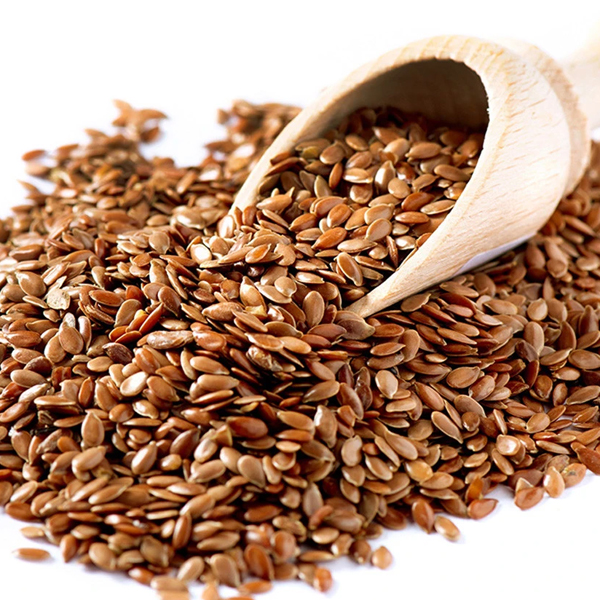
Vegetarians and Vegans often have to crave for and run for suitable supplementation options. While Vegans and Vegetarians refrain from non-vegetarian or meat products, they also have to check and tackle any possible nutritional deficiencies. Especially along the mid age, 40’s and older, appetite, metabolism, some aging signs and symptoms, and, deficiencies make a valid concern.
While non-vegetarians may strike a solution quickly along the need and concerns for some complex and exclusive nutrients, Omega-3 Fatty Acids, vitamins and minerals, the Vegetarians and Vegans have to work further, make assessment, try different options, evaluate and settle themselves with definite choices.
Of everything now, we are taking Omega-3 Fatty Acids and its considerable sources from Plants and Herbs. This is for Vegetarians and Vegans. And the choice of the day is Flax Seeds!
Flax Seeds have had a role in Ayurvedic medicine for thousands of years. Flaxseed is available in the form of seeds, oils, powder, tablets, capsules, and flour. The nutrients in flaxseed include lignans, antioxidants, fiber, protein, and polyunsaturated fatty acids such as alpha-linolenic acid (ALA), or omega-3. Consuming these nutrients may help lower the risk of various conditions. People use it as a dietary supplement to prevent constipation, diabetes, high cholesterol, heart disease, cancer, and several other conditions.
Flax Seeds Nutritional Values:
One tablespoon of ground flax seeds contains the following:
- Calories: 37
- Protein: 1.3 grams
- Carbs: 2 grams
- Fiber: 1.9 grams
- Total fat: 3 grams
- Saturated fat: 0.3 grams
- Monounsaturated fat: 0.5 grams
- Polyunsaturated fat: 2.0 grams
- Vitamin B1: 8% of the RDI
- Vitamin B6: 2% of the RDI
- Calcium: 2% of the RDI
- Omega-3 fatty acids: 1,597 mg
- Folate: 2% of the RDI
- Iron: 2% of the RDI
- Magnesium: 7% of the RDI
- Phosphorus: 4% of the RDI
- Potassium: 2% of the RDI
